

Emmanuel
It means, "God with us." Advent is God's rich invitation to return to the love that was here all along.

Scripture: Isaiah 7:10-16, Psalm 80:1-7, 17-19, Romans 1:1-7, Matthew 1:18-25
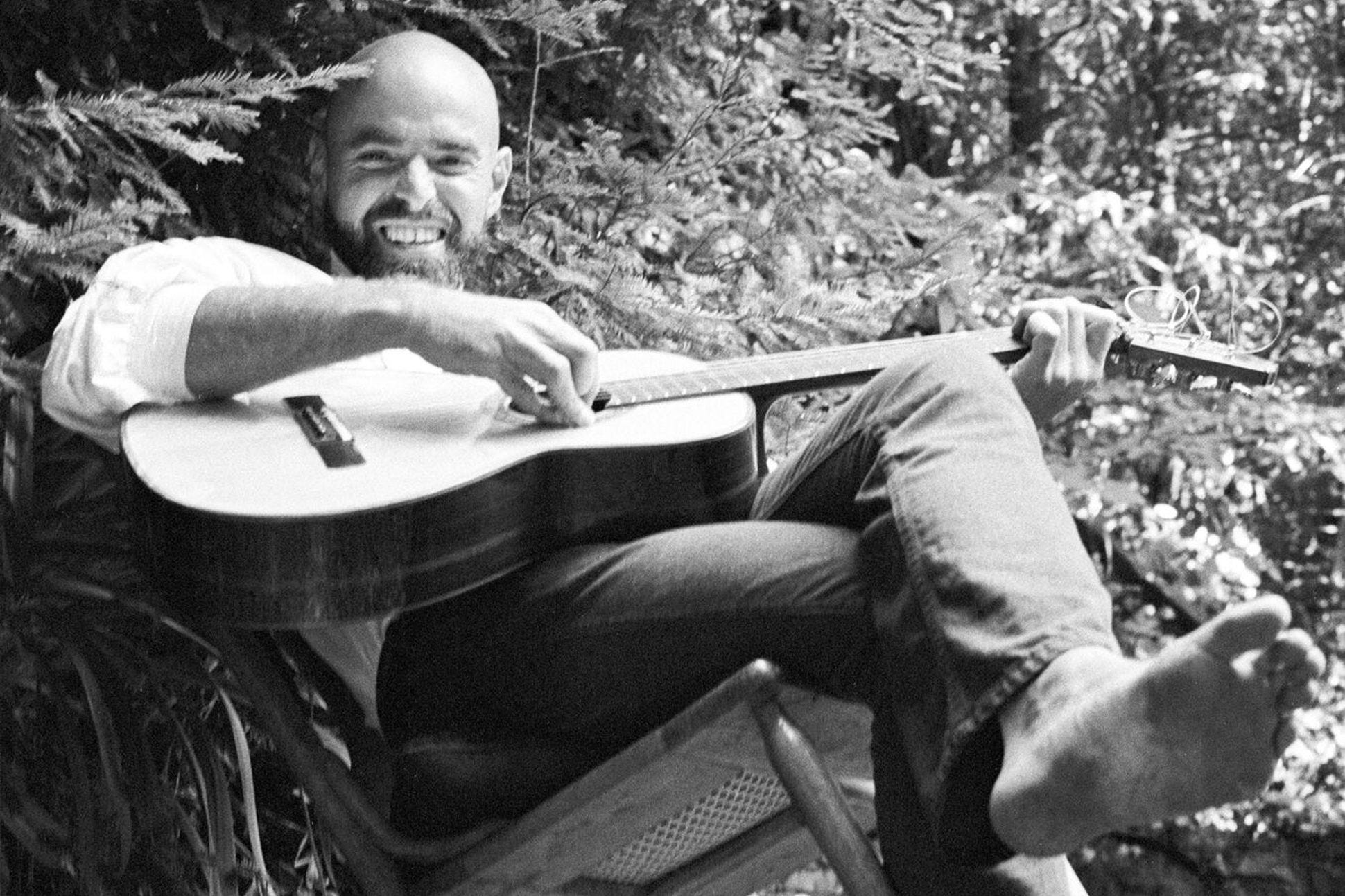
Jean Shepherd and Shel Silverstein were friends.
You may not immediately recognize both names, but you almost certainly know their work.
Shel Silverstein is the prolific American poet who wrote Where the Sidewalk Ends and A Light in the Attic—books many of us encountered in childhood. Jean Shepherd is the storyteller we remember especially at this time of year as the author of A Christmas Story.
Shepherd was a lifelong bachelor, and Silverstein once thought it’d be funny to imagine what it might be like if Jean Shepherd had fathered a child. And so Silverstein did what poets have done for millennia: he put pen to paper and imagined a world where a man names his son “Sue”—and then disappears.
Shel Silverstein was fascinated with names. He saw deep meaning in names and in the people to whom they are given. He created Sarah Cynthia Sylvia Stout, who would not take the garbage out. He imagined Melinda Mae, whose outsized appetite led her to eat a whale. Inspired by television ads, his character Clarence famously sent away for two new parents.
For Shel Silverstein, names are forces.
They shape identity.
They invite conflict.
A boy named “Sue” creates conflict in our minds before Johnny Cash ever sings a word. A boy given a common name for a girl was meant to be toughened up for the realities of a harsh world.
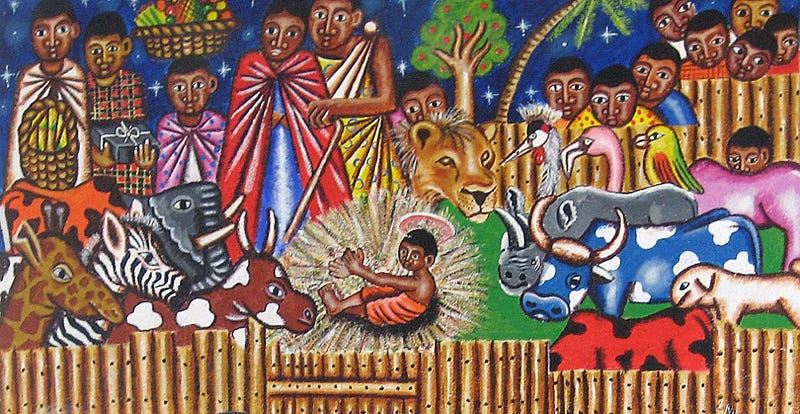
Matthew’s Gospel brings us a very different story—a name given not to harden a child for the world, but to soften a harsh world through a child born poor, vulnerable, and on the margins.
Our names can trap us in expectations. They can be claimed by others. I’ve been called “Hack” ever since a coach bellowed it across a gym, its echo hanging in the air over my sorry attempt at pushups. “Hack” is a heck of a nickname for an aspiring journalist to shake off.
We are born into family names that may define our trajectory—or set the objective of our escape.
“Some gal would giggle,” Silverstein writes, and Sue would “turn red,
And some guy’d laugh, and I’d bust his head.”
Life wasn’t easy for a boy named Sue, fighting his way through the world.
Shel Silverstein grew up during the Great Depression. He served in the military and later worked as a professional cartoonist. He once said he believed children intuitively understand our tension with being named. Children know that names are made up—but they also know that being called names can hurt deeply.
Through his life, Silverstein became sensitive to how naming is tied to identity, authority, and power. Sue’s absent father maintains power at a distance. Naming is the only way he can still act in his son’s life.
But in the story of Jesus, God names—and God stays.
Matthew is the only Gospel writer who explicitly connects Jesus to the lineage of David. And Joseph is commanded by God, “You are to name him Jesus, for he will save his people from their sins.”
We’re taught in Sunday school that Jesus’ name is special because it means “the Lord saves.” That’s true—but it’s also worth remembering that Jesus’ name is closely related to Joshua, one of the most common names of his era. It was an ordinary name, carried by ordinary people.
God came to live among them.
God comes to live among us.
Jesus lives faithfully into his name—pouring salvation, mercy, and Emmanuel-shaped love into the world around him. Not for the exclusive. Not for the powerful. Not for the religious elite. But from a common person with a common name, offered openly to all.
God named Jesus before Jesus ever took a breath.
Before he healed.
Before he taught.
Before he demonstrated a single act of love.
Worth came before performance. And that tells us something essential about how God sees us.
Our worth is not based on our name—or even on what we manage to do with it. Our worth is found in our presence on this earth. Every human presence has worth. And yet we continue to live as if that weren’t true. We continue to embrace the world as we inherited it—a world where worth is determined by where we are born and to whom we are born.
It was true in the age of Jesus.
It is true now.
Names are often our first step away from recognizing others as having universal worth. Perhaps that’s because we become overwhelmed by the rich diversity that names reflect. We assimilate with those who carry names similar to ours. Those with names that are different become others to us. We stay within the confines of our likeness because that’s where we feel safe.
When I reflect on my own life, the safest place I remember as a child was my grandparents’ home near Cincinnati. Sitting on the floor in front of the TV on Christmas Eve. I can still smell the carpet my grandmother vacuumed religiously. I can hear the bangs and clangs of the old heater on Huntington Avenue. I remember the ready access to treats in the kitchen.
I felt seen there. Loved. Valued. Safe—just because I was there. Present. Year after year, beside a glowing Christmas tree.
That place of innocence, safety, and trust is where God waits for us in our hearts. It is the place where we know we are loved in our most elemental state of being. Where we are seen. Where we feel safe. Where love is expressed not only through names—but through presence.
A congregation I serve experienced an unexpected death this week. Ever since, I have been blessed to bear witness to the gift of presence in the family’s home. People have been coming to their front door—bringing food, stories, tears, laughter, and simply themselves. I will never be able to recall all the names or faces I encountered, but I will always remember the feeling of love each presence brought into that house. In a week shaped by grief, it was presence—not explanation, not fixing, not even words—that carried love where it needed to go.
Love remains an active and live presence in our lives. It remains within us. It remains within others—a universal connection we share.
Even if we grew up quick.
Even if our fists got hard and our wits got keen.
Even if life taught us to survive before it taught us to trust.
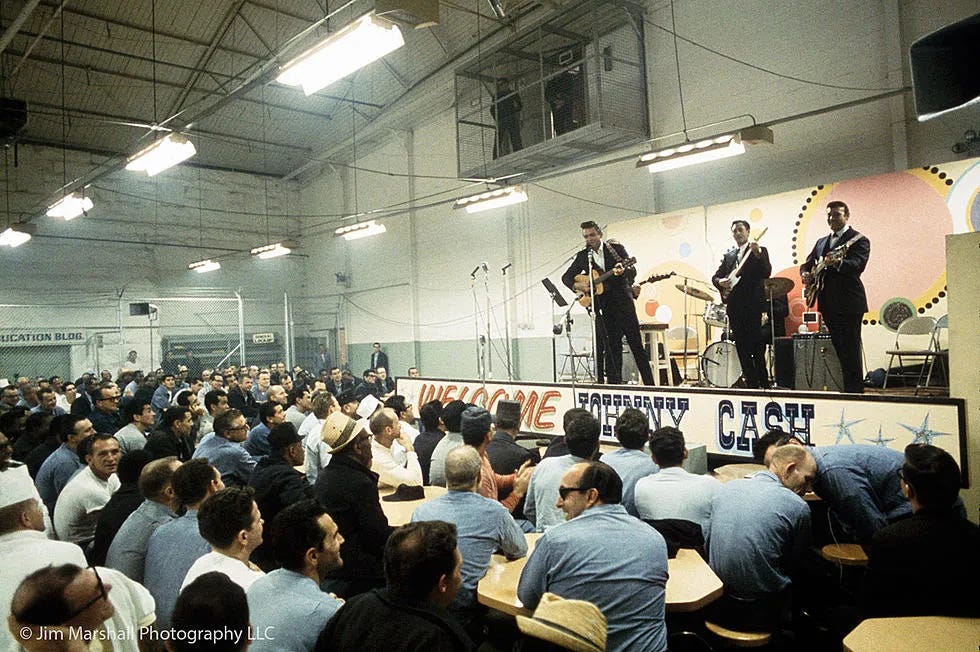
Prisoners at San Quentin were the first to hear Shel Silverstein’s words sung by Johnny Cash in public. “A Boy Named Sue” electrified an audience that knew something about hard-luck childhoods, absentee fathers, and fights in bars. They found connection in a story that pointed straight back to innocence.
They knew what it was like to be born innocent in a tough world.
Jesus also knew what it was to be born into a tough world. The Angel told Mary, “you are to name him Jesus, for he will save his people from their sins.” Jesus encounters the broken world and shows the world how to turn back towards love. His journey leads us back to our innocence, the place where we feel safe. The journey of Advent should lead us there, too—because God waits for us there.
Whether belief feels strong or fragile—whether it feels clear or buried beneath grief, anger, or compromised by our need to feel powerful—the promise of Advent is that love remains available to us. Like Sue reconnecting with his father in Gatlinburg in mid-July, we can return to the source of love that first shaped us, even now, in December.
Because to believe in a risen Christ is to believe that love can conquer anything—even death itself.
Love doesn’t win out because we toughen up like Sue did.
Love wins out because God enters our stories personally—and stays.
In sorrow.
In joy.
And in every shade in between.
God values us.
And God remains with us.
Kind of like our names.
Thanks Matt for this insightful piece. I wish kindness and hope for you and your family
during this holiday season and every day.